Creating a Hangul Pattern
Creating Hangul Patterns
1. The Explanatory Notes on the Proper Sounds for the Instruction of the People
The shape of strokes that refuse to be written with a brush
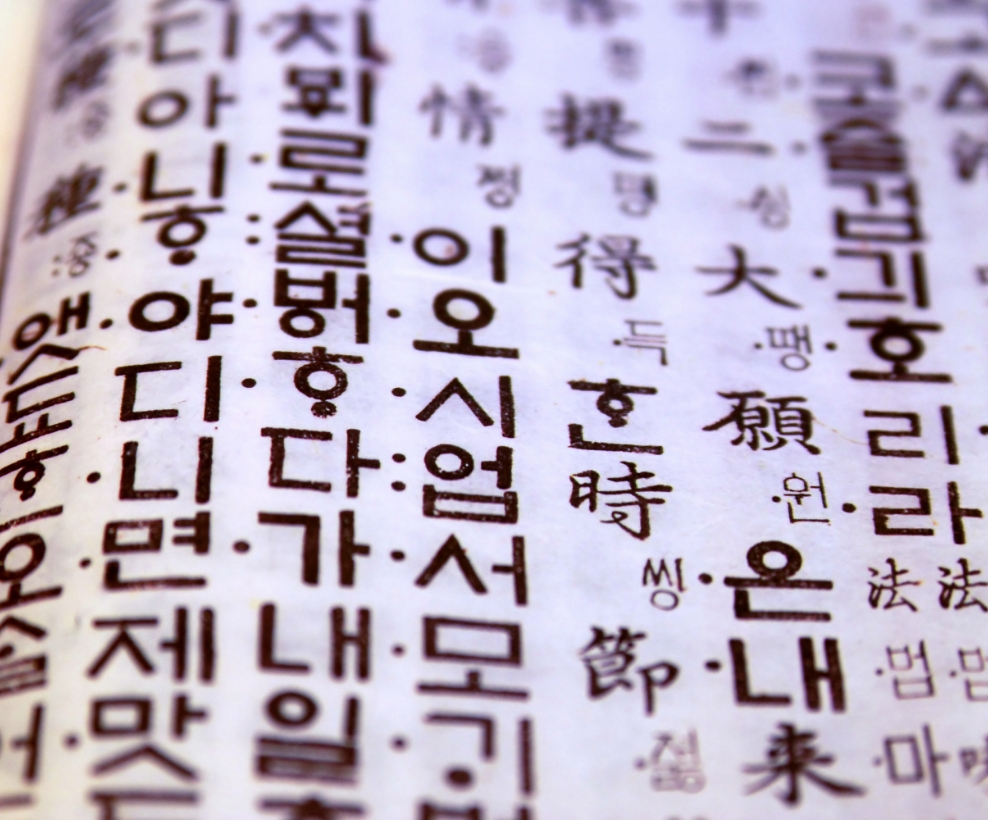

The emergence of Jeongeum was a transformative Gestalt revolution, creating an entirely new form of beauty.
The form of Jeongeum presented in the Haerye became a fundamental Gestalt of rebellion—a defiance against the very essence and aesthetics of calligraphy,
which had long ruled the East with Wang Xizhi at its pinnacle. It was as shocking as the appearance of computer graphics in the world of traditional landscape painting.
The Birth of Hangeul, Hideaki Noma
The Birth of Hangeul, Hideaki Noma
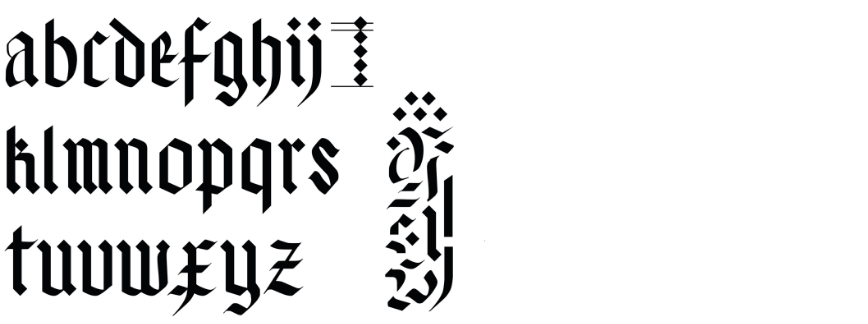
Jeongeum and Gothic typefaces reject variations in brush or pen thickness, favoring vertical and diagonal structures instead.
They embody a deliberate rejection of traditional calligraphic conventions and pursue accessibility and popularization.
They embody a deliberate rejection of traditional calligraphic conventions and pursue accessibility and popularization.
The emergence of Jeongeum was a transformative Gestalt revolution, creating an entirely new form of beauty.
The form of Jeongeum presented in the Haerye became a fundamental Gestalt of rebellion—a defiance against the very essence and aesthetics of calligraphy,
which had long ruled the East with Wang Xizhi at its pinnacle. It was as shocking as the appearance of computer graphics in the world of traditional landscape painting.
The Birth of Hangeul, Hideaki Noma
The Birth of Hangeul, Hideaki Noma
Jeongeum and Gothic typefaces reject variations in brush or pen thickness, favoring vertical and diagonal structures instead.
They embody a deliberate rejection of traditional calligraphic conventions and pursue accessibility and popularization.
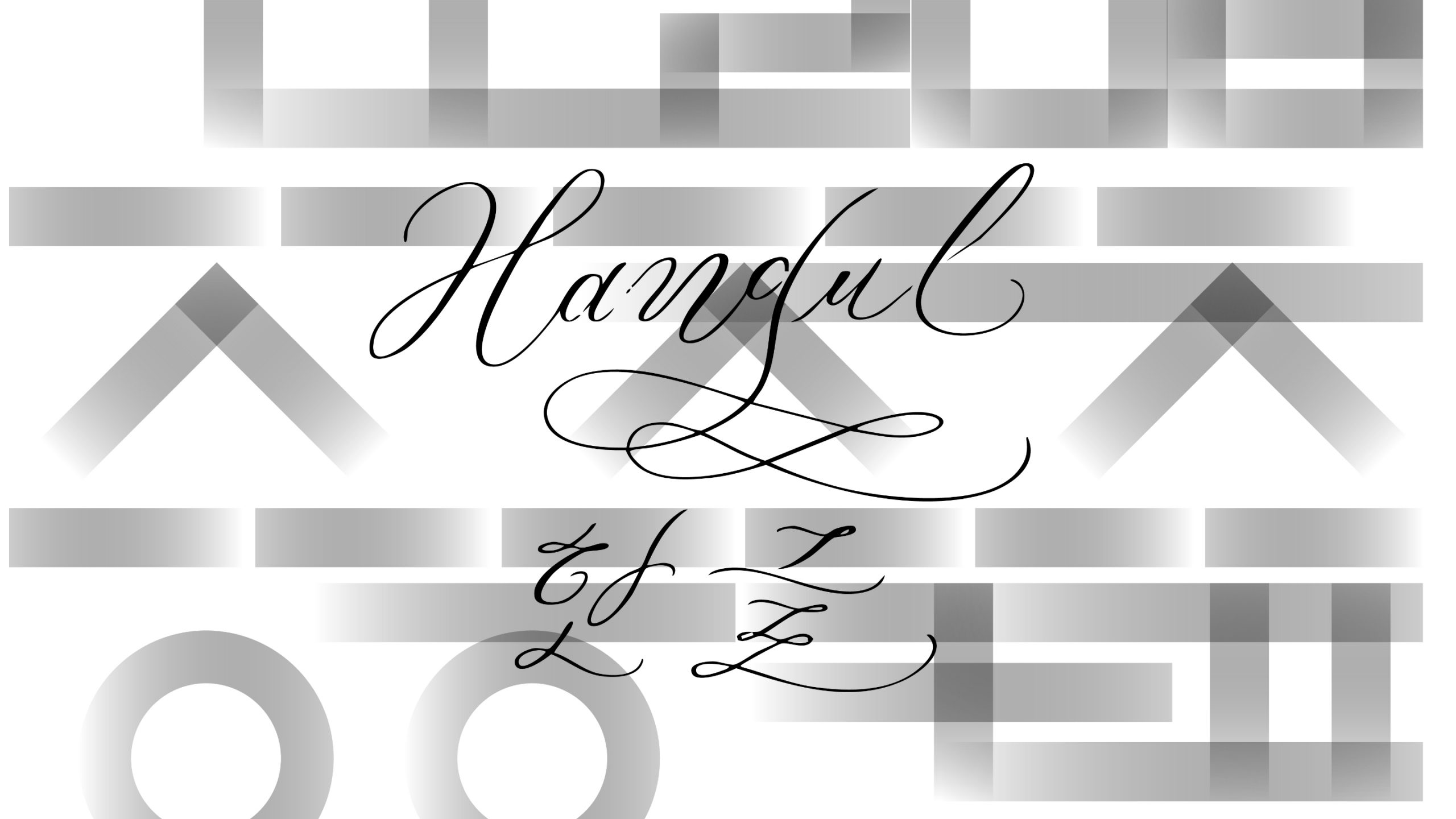
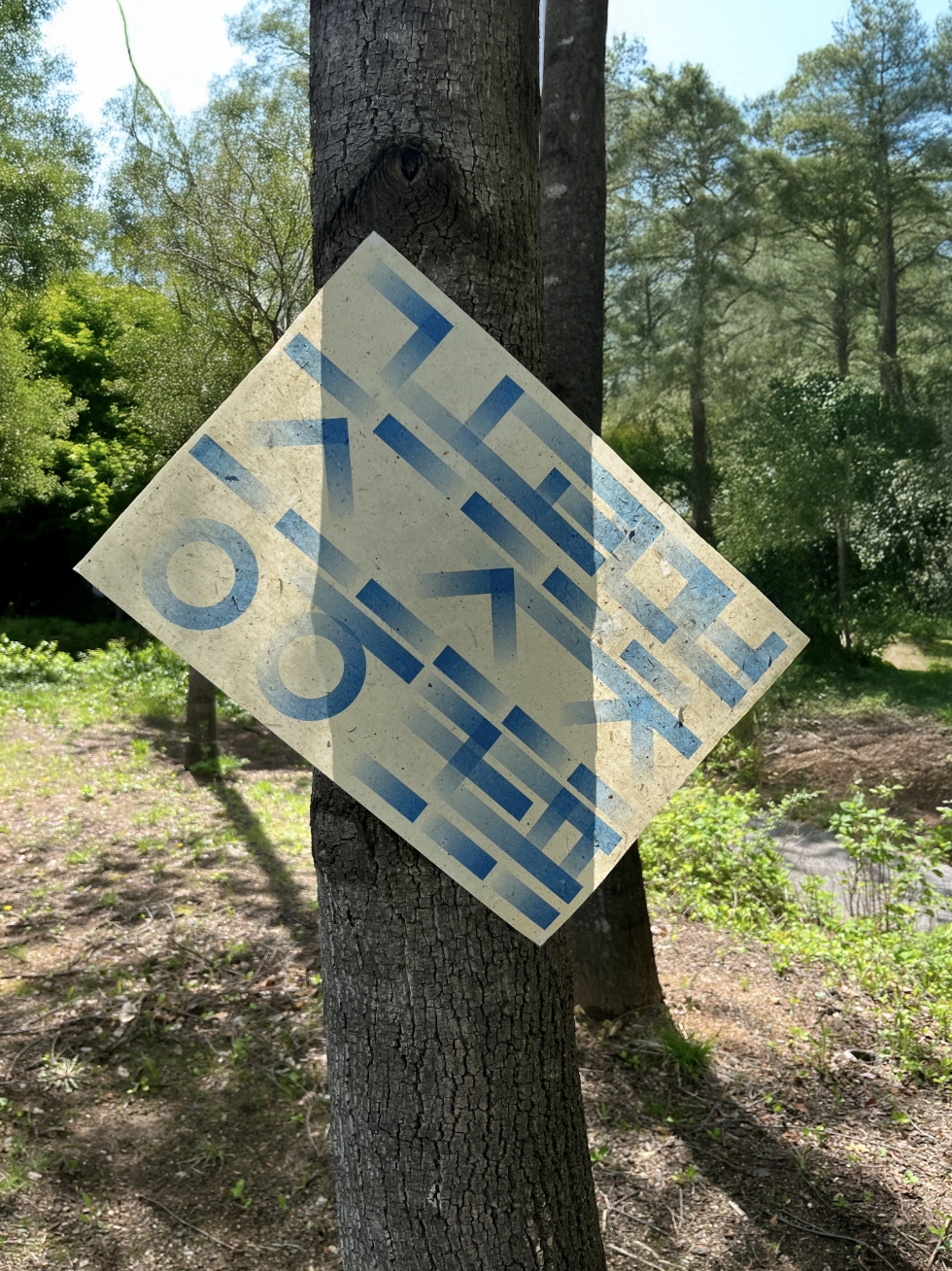
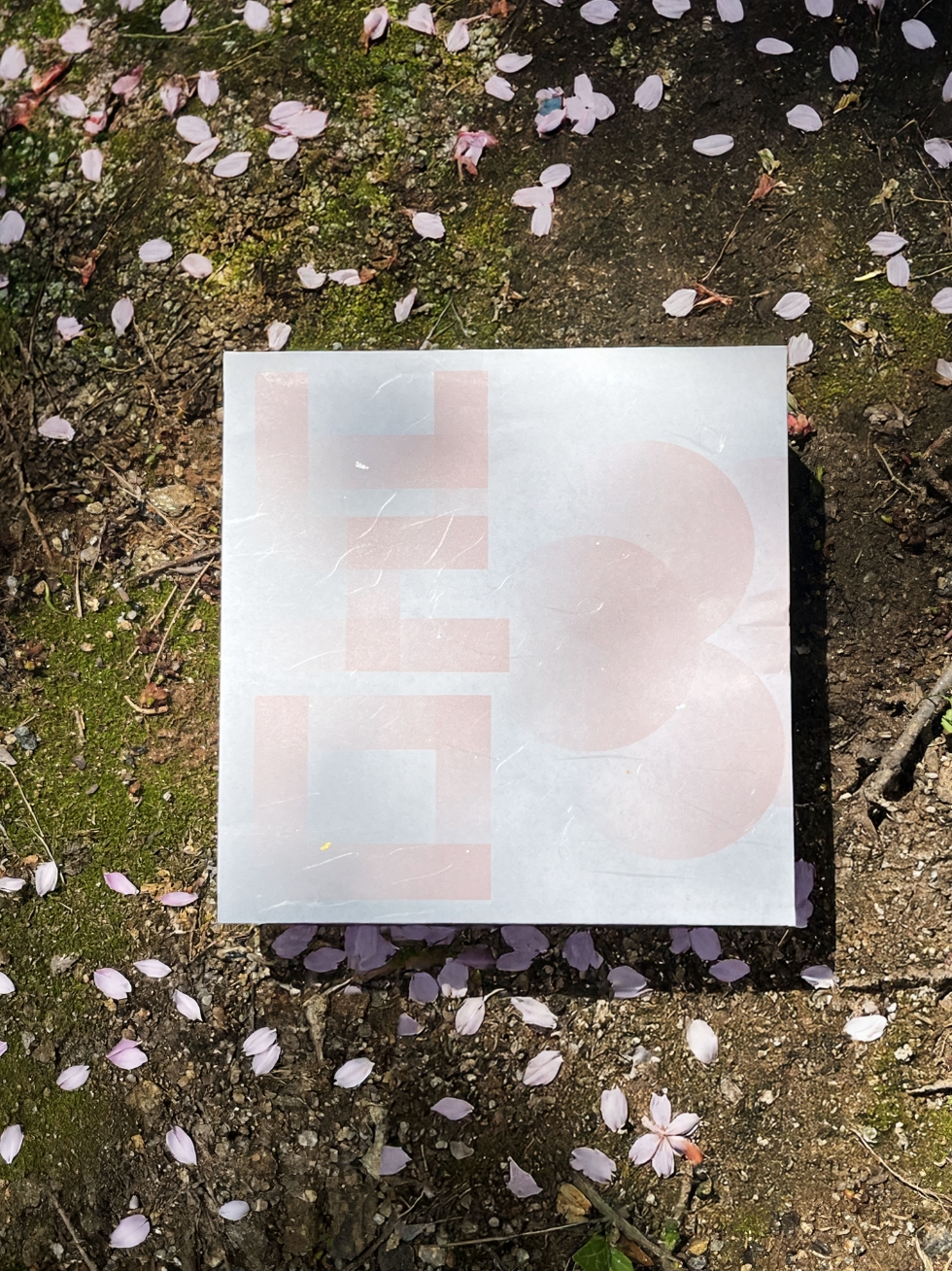
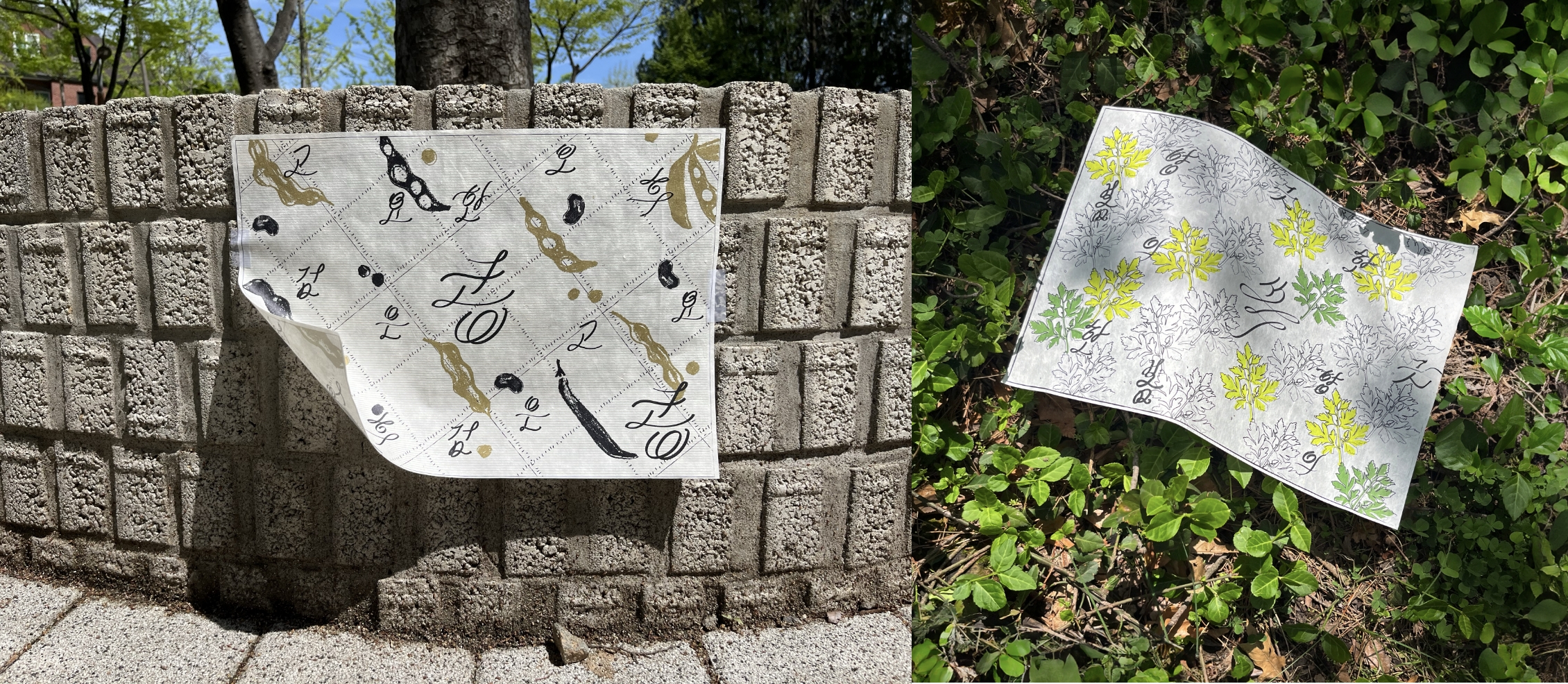
Exploration of patterns based on the vertical and
diagonal structures found in the Haerye edition.
diagonal structures found in the Haerye edition.
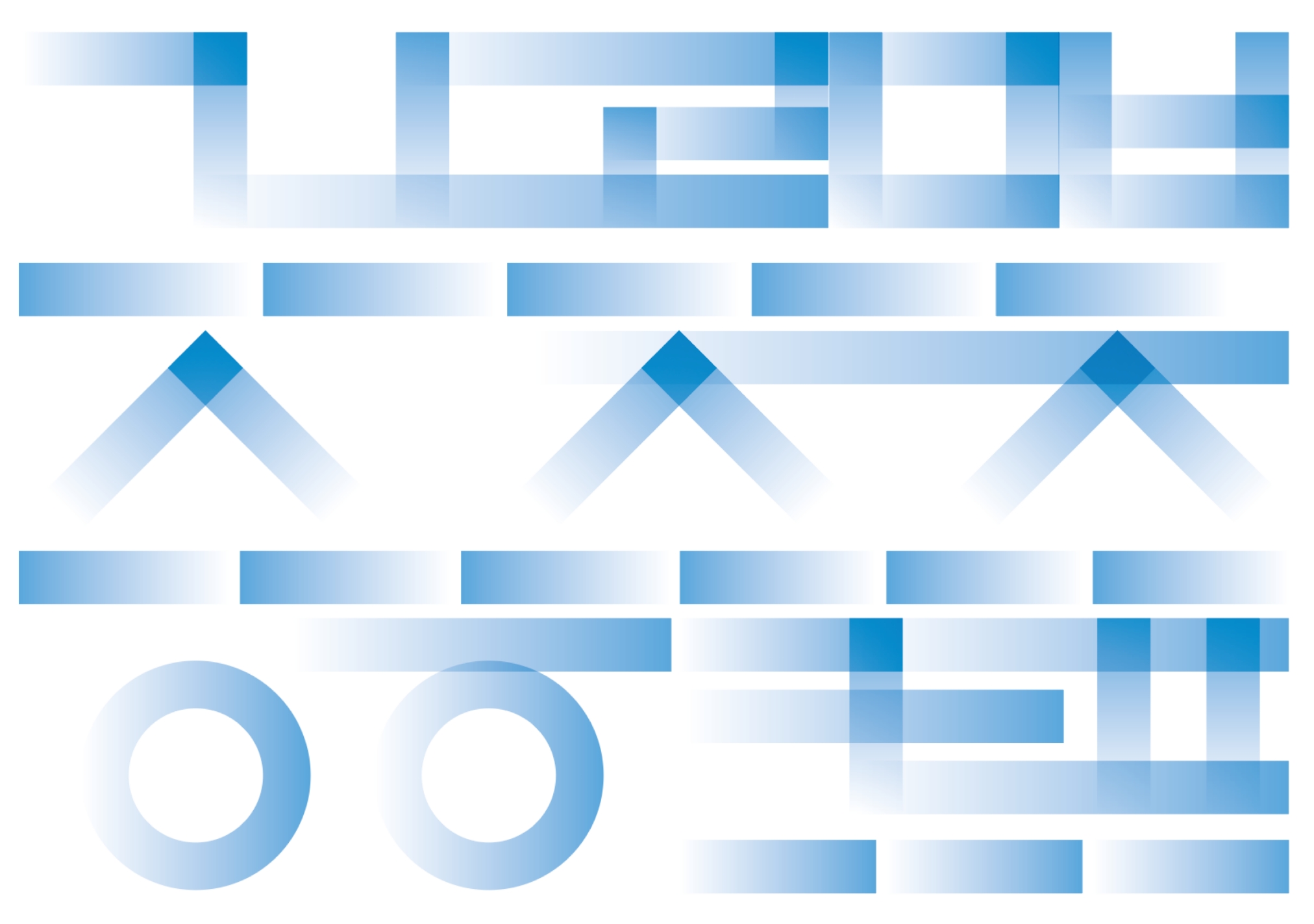
Creating structural diagrams using verticals,
diagonals, and circles, then composing patterns
by combining these fundamental elements.
diagonals, and circles, then composing patterns
by combining these fundamental elements.
2. Gungche
The pinnacle of beauty born from the Joseon Dynasty

Emerging as a reaction against the aesthetics of calligraphy, Jeongeum reached its ultimate crystallization in Gungche.
Not long after its creation, the logical Gestalt of rebellion that Jeongeum once embodied was lost— only to reemerge in the 20th century as a Gestalt of everyday beauty.
Not long after its creation, the logical Gestalt of rebellion that Jeongeum once embodied was lost— only to reemerge in the 20th century as a Gestalt of everyday beauty.

Gungche and Copperplate share a foundation in the aesthetic consciousness of calligraphy,
rooted in formal and classical script traditions.
Emerging as a reaction against the aesthetics of calligraphy, Jeongeum reached its ultimate crystallization in Gungche.
Not long after its creation, the logical Gestalt of rebellion that Jeongeum once embodied was lost— only to reemerge in the 20th century as a Gestalt of everyday beauty.
Not long after its creation, the logical Gestalt of rebellion that Jeongeum once embodied was lost— only to reemerge in the 20th century as a Gestalt of everyday beauty.
Gungche and Copperplate share a foundation in the aesthetic consciousness of calligraphy,
rooted in formal and classical script traditions.
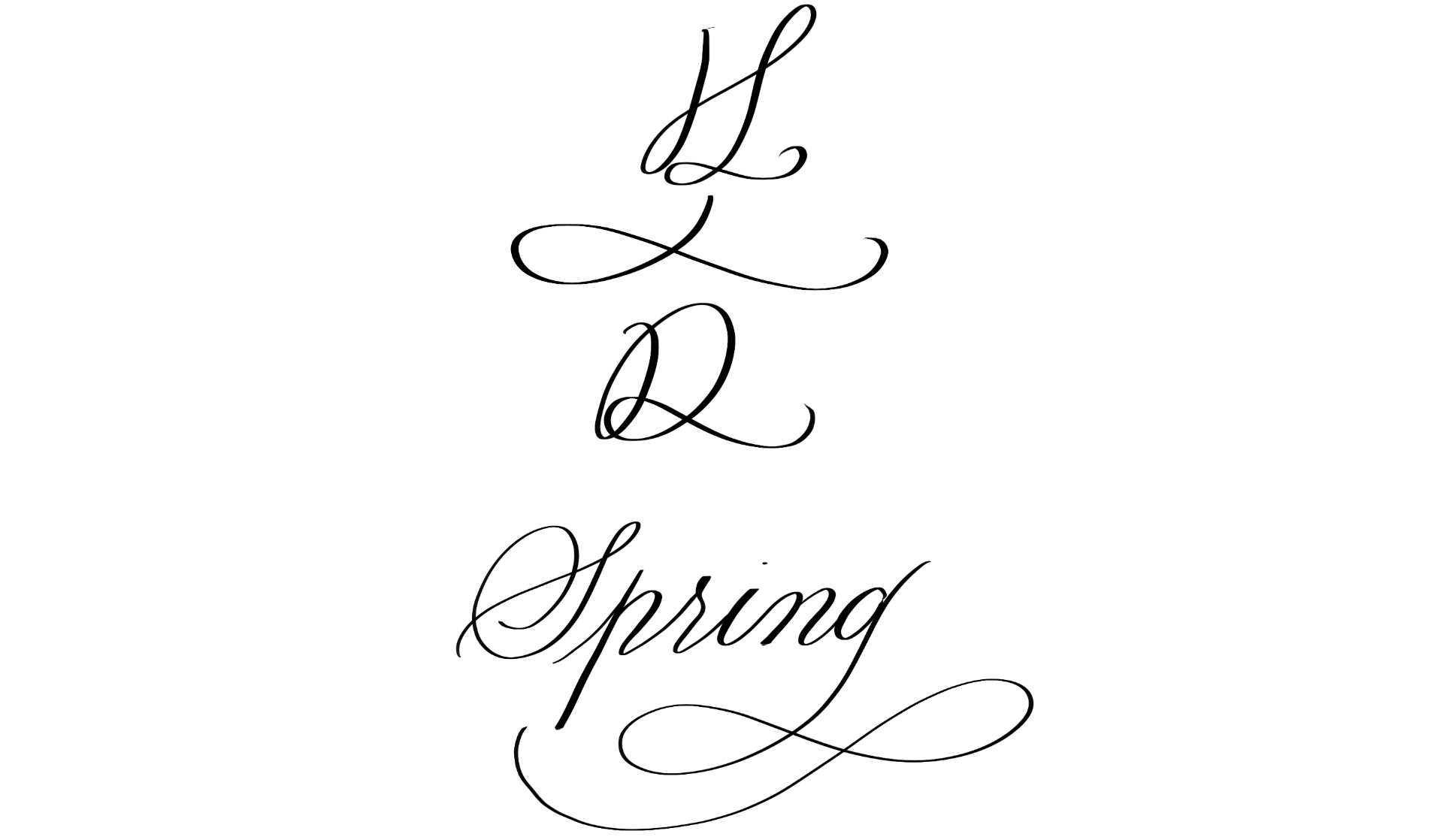
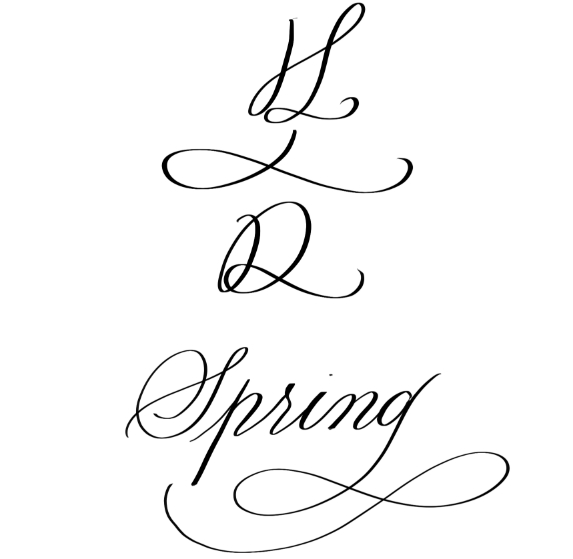
Research exploring the stroke weight and rhythmic
flow inherent in classical calligraphic techniques.
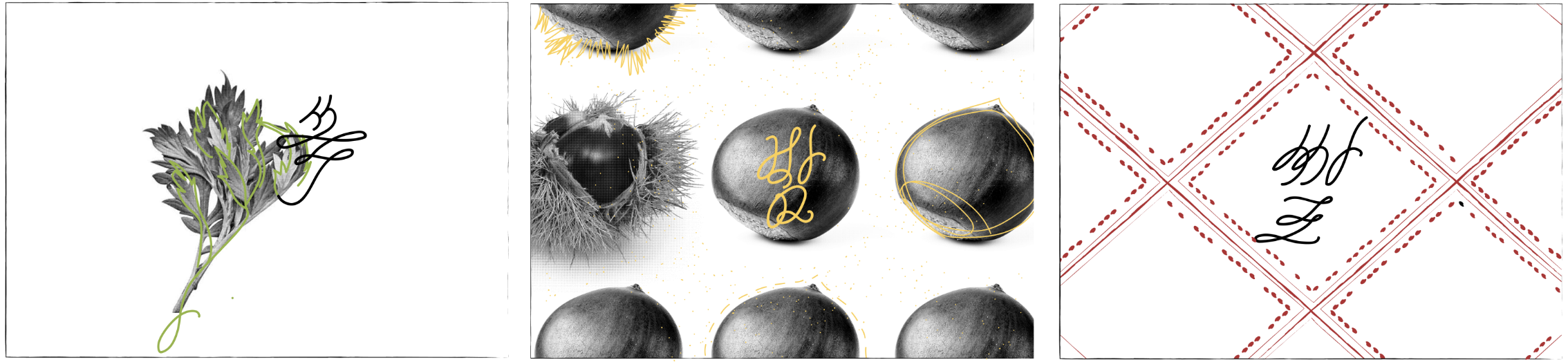
In parallel, experiments were conducted to
combine a 45-degree angled structure—
a form
compatible with the classic calligraphy of the
alphabet—into a unified pattern composition.
flow inherent in classical calligraphic techniques.
In parallel, experiments were conducted to
combine a 45-degree angled structure—
a form
compatible with the classic calligraphy of the
alphabet—into a unified pattern composition.
- Amorepacific Creatives
- Planning & Design
- Choi Eunhye, Yoon Minhae